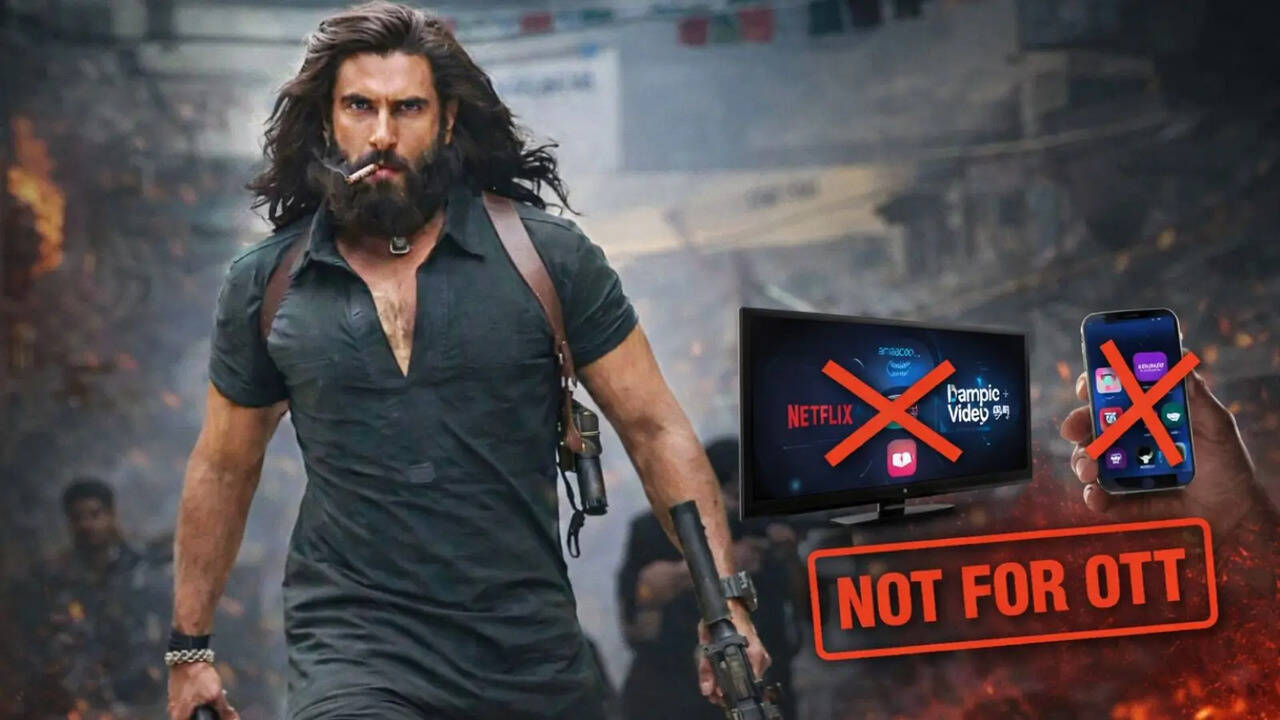
Dhurandhar: Aditya Dhar's Algorithm-Friendly Political Provocation
Aditya Dhar's latest cinematic offering, *Dhurandhar*, explodes onto the screen as a quintessential Bollywood spectacle, blending high-octane violence, sharp characterizations, and a pulsating soundtrack. This *aditya dhar film* is a masterclass in weaving popular entertainment with a fiercely political undercurrent, pushing boundaries and sparking intense debate. While undeniably a thrilling spy thriller draped in the industry’s signature "magic masala," *Dhurandhar* takes significant creative liberties with facts, offering a near-factual yet heavily embellished narrative of India's complex encounters with terrorism and its strained relationship with its neighbors. Beneath its glossy surface and adrenaline-pumping action, however, lies a deeper, more troubling question: when does the depiction of brutal violence cross the line from storytelling into exploitation?
Dhurandhar's Narrative: A Provocative Blend of Fact and Fiction
Unlike some recent Indian films, such as *The Kerala Story*, *Article 370* (another *aditya dhar film* project), or *The Kashmir Files*, which often faced criticism for their perceived one-sided narratives, *Dhurandhar* has garnered a more divided reception. While the film refrains from explicit political statements, its signaling is undeniably potent and permeates every frame. We witness a terrorist casually label the Hindu community as "weak," a Congress-era minister embroiled in a corruption scandal, and an intelligence officer yearning for a change in government in Uttar Pradesh that would decisively dismantle the local mafia. These carefully placed narrative elements, some critics argue, allow Dhar to tap into prevailing anti-Pakistan sentiments and subtly, yet effectively, pander to the current political climate.
The film's exploration of geopolitics extends to an alleged laying bare of internal Pakistani power struggles, portraying a volatile mix of power-hungry politicians, corrupt Army officials, unscrupulous businessmen, and ruthless gangsters. The veracity of these depictions remains largely speculative, but on the Indian side, Dhar unapologetically fictionalizes very real events and characters. One of the most stark examples of this blurring of lines is the chilling inclusion of a real recording of the 26/11 Mumbai attackers communicating with their handlers, a moment designed to evoke a visceral, emotional response from the audience. This deliberate intertwining of fact and fiction elevates *Dhurandhar* beyond a mere spy thriller, positioning it as a powerful, albeit controversial, political commentary.
The Algorithm Age Auteur: How Dhurandhar Hooks Modern Audiences
Aditya Dhar's genius in *Dhurandhar* lies not just in its content but also in its presentation, meticulously crafted for the consumption habits of the "algorithm age." The film serves as a prime example of cinematic "rage-bait," a term recently adjudged Oxford Dictionary's 2025 'Word of the Year.' While typically associated with online content designed to elicit anger, Dhar skillfully transplants this engagement-farming formula onto the big screen. The core mechanism remains consistent: provoke and proliferate.
To achieve this, the *aditya dhar film* employs a chapter-wise format and a kinetic, Tarantino-esque pacing that keeps the narrative relentlessly flowing. This episodic structure caters perfectly to an audience increasingly accustomed to binge-watching web series, helping them navigate the film's often lengthy and intricate screenplay. Furthermore, Dhar brilliantly taps into the current wave of nostalgia, peppering the soundtrack with electrifying remixes of classic tracks like Asha Bhonsle’s ‘Piya Tu Ab To Aja’ and Usha Uthup’s ‘Ramba Ho’. This blend of contemporary storytelling techniques and nostalgic appeal ensures maximum engagement, demonstrating Dhar's keen understanding of modern audience sensibilities. For a deeper dive into this phenomenon, explore
Aditya Dhar's Dhurandhar: Rage-Bait or Essential Spy Thriller?.
Beyond Spectacle: The Disturbing Visuals of Dhurandhar
While the narrative and structure meticulously build tension, it is *Dhurandhar*'s visuals that complete its provocative messaging, leaving an indelible, often uncomfortable, mark on the viewer. Dhar microdoses stomach-churning graphic scenes into the action, which, some argue, serve no purpose other than to "rage-bait" its audience. From bludgeoned skulls and severed fingers to men suspended from ceilings or impaled with hooks, the film does not shy away from depicting extreme violence. The filmmaker makes a deliberate choice not to censor these moments, leaving audiences squirming in their seats.
Media theorists have specific terms for this kind of cinema. Some label it "splatter horror," while others, more critically, refer to it as "torture porn." These genres revel in the theatricality of mutilation and extreme suffering, often pushing the boundaries of what is considered palatable for mainstream audiences. In *Dhurandhar*, this visual extremity doubles down on the film’s emotional provocation, ensuring that if the narrative nuances don't ignite anger, the unvarnished brutality certainly will. This raises critical questions about the ethical implications of using such graphic imagery. To understand more about this specific aspect, consider reading
Dhurandhar's Extreme Visuals: Is it "Torture Porn" or Storytelling?.
Aditya Dhar's Filmmaking Signature: From Uri to Dhurandhar
Aditya Dhar, born in Delhi, has rapidly emerged as a distinctive voice in Indian cinema, known for his work as a writer, director, and lyricist. His directorial debut, *Uri: The Surgical Strike*, starring Vicky Kaushal and produced by RSVP Films, was a resounding success, grossing over Rs. 200 Crore at the box office. This critically acclaimed *aditya dhar film* was widely appreciated across the country, cementing his reputation for delivering high-impact, patriotic thrillers. Following *Uri*, Dhar continued his trajectory with projects like *Article 370*, which also navigated complex political landscapes with a strong, often nationalist, perspective.
What defines an *aditya dhar film* is often its lack of subtlety, which paradoxically contributes to its appeal for many. The action sequences are undeniably thrilling, and the emotional tension is perpetually off the charts. His characters are driven by multifaceted motivations that intertwine through a complex web of politics, tribal affiliations, organized crime, terrorism, and blood ties. This lack of nuance, however, is also considered *Dhurandhar*'s Achilles' heel by some critics, as the overt agenda behind the film often gleams brightly, suggesting that it's more than just storytelling—it's a deliberate act of provocation. His consistent success with this formula indicates a calculated approach to filmmaking, one that resonates deeply with a significant segment of the audience eager for politically charged, action-packed narratives.
In conclusion, *Dhurandhar* is more than just a spy thriller; it's a meticulously crafted *aditya dhar film* designed for maximum impact in the digital age. Aditya Dhar has leveraged his understanding of modern audiences to create a film that is both engaging entertainment and a potent political statement. By expertly blending a "magic masala" narrative with algorithm-friendly pacing, nostalgic touches, and unvarnished graphic violence, he has ensured *Dhurandhar* remains a topic of fervent discussion. The film stands as a testament to the evolving landscape of Bollywood, where cinema is increasingly becoming a battleground for ideas, emotions, and, controversially, a calculated form of rage-bait. Its reception confirms that Dhar has tapped into a powerful vein of public sentiment, solidifying his position as a filmmaker unafraid to provoke and challenge the boundaries of mainstream Indian cinema.